Data, Analytics & AI Enablement
VOC Survey Redesign & Data Pipeline Modernization
Redesigned the Voice of Customer (VOC) survey model and rebuilt the backend data pipeline to eliminate neutral-response dilution, improve sentiment clarity, and deliver ML-ready data. The initiative modernized survey scoring, normalized the database schema, and introduced automated ETL to support predictive churn analytics and faster product iteration.
Year :
2025
Industry :
Healthcare SaaS / Data & Analytics
Client :
Regional Healthcare Plan
Project Duration :
Multi-phase rollout
Problem :
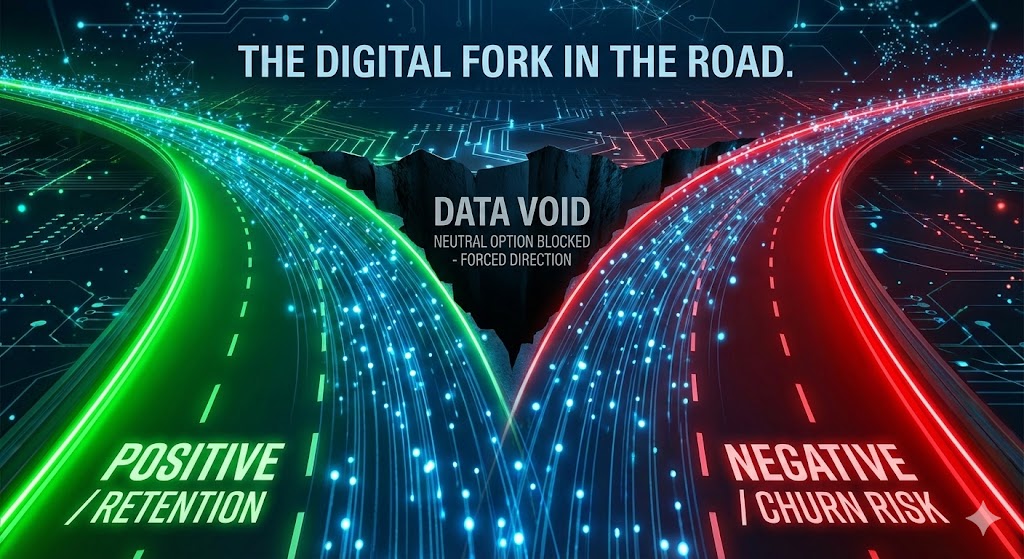
The existing VOC program relied on a 5-point scale that included a “Neutral” option, which diluted sentiment signals and reduced the effectiveness of predictive analytics. Backend survey data was unstructured, lacked version control, and required manual transformations for each deployment—making historical comparisons, churn modeling, and rapid iteration nearly impossible. Data Science teams struggled with inconsistent inputs, while Customer Success lacked confidence in survey insights.

Solution :
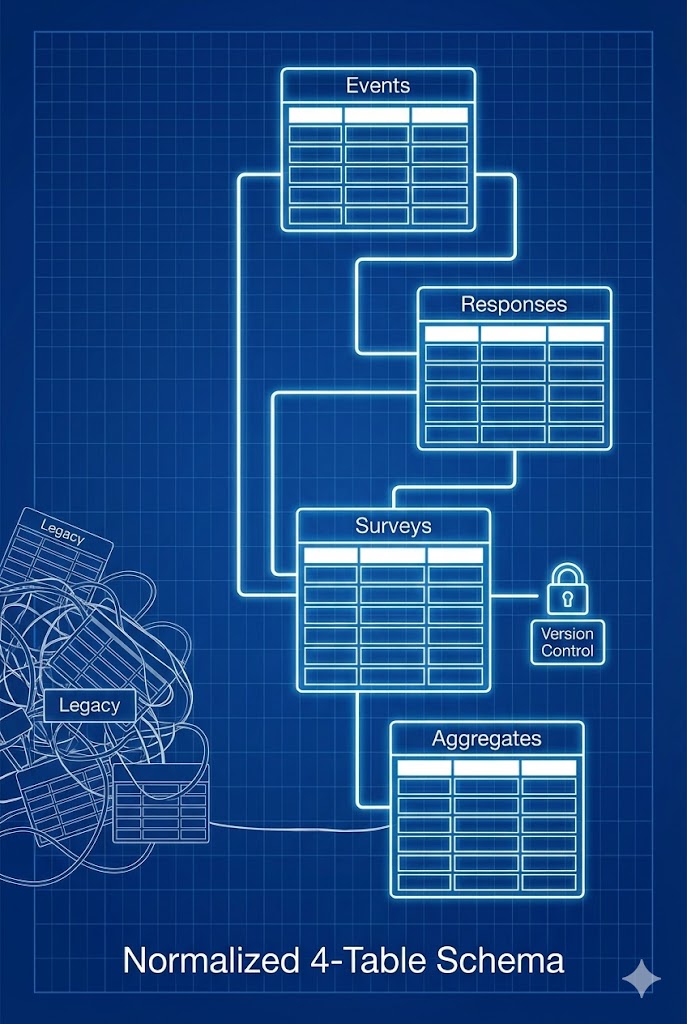
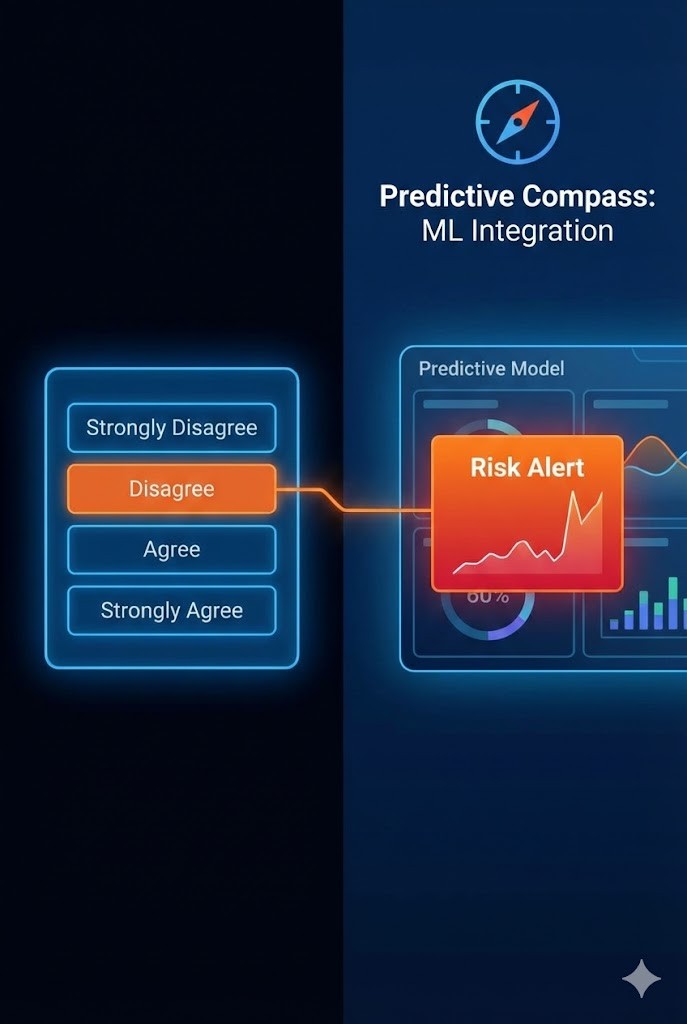
I led a strategic redesign of the VOC product by removing the neutral response option and introducing a 4-point directional scale to force actionable sentiment. In parallel, I re-architected the backend using a normalized, version-controlled schema and automated ETL pipelines. This modernized data ecosystem aligned survey outputs with ML models, unified scoring logic across teams, and enabled faster, more reliable survey deployments without manual intervention.
Challenge :
There was initially internal stakeholder resistance removing the neutral option due to concerns about negative customer reactions and survey abandonment. I addressed this through statistical analysis showing strong correlation between neutral responses and churn risk, supported by clear documentation and stakeholder education. On the technical side, maintaining historical data compatibility while introducing a new schema required careful versioning and transformation logic to avoid breaking downstream analytics.
Summary :
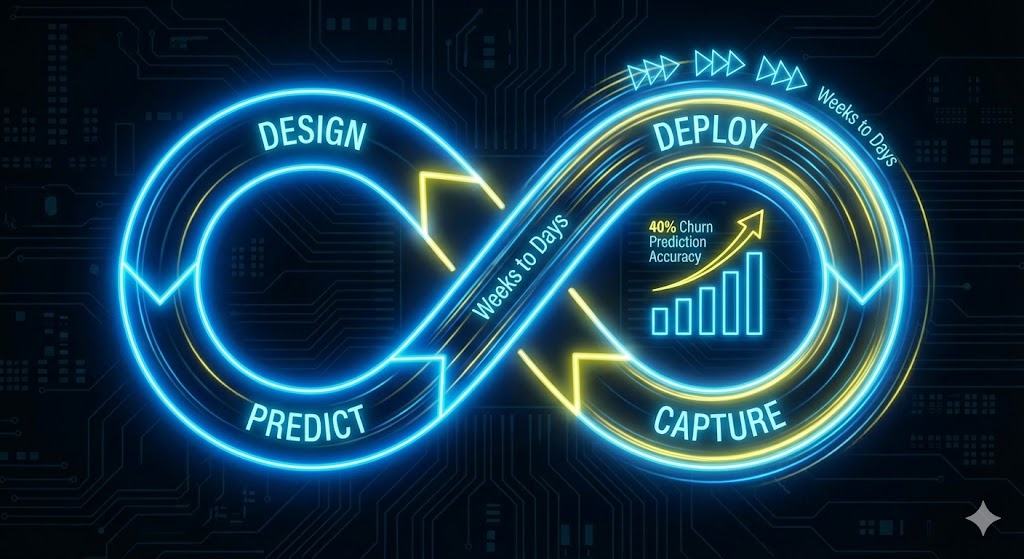
This project transformed the VOC program from a reporting tool into a predictive analytics engine. The redesign delivered 100% actionable sentiment signals, reduced survey deployment time by 85%, and improved churn prediction accuracy by 40%. The organization gained a scalable, ML-ready VOC foundation that supports rapid experimentation, consistent scoring, and data-driven customer retention strategies.
More Projects



Data, Analytics & AI Enablement
VOC Survey Redesign & Data Pipeline Modernization
Redesigned the Voice of Customer (VOC) survey model and rebuilt the backend data pipeline to eliminate neutral-response dilution, improve sentiment clarity, and deliver ML-ready data. The initiative modernized survey scoring, normalized the database schema, and introduced automated ETL to support predictive churn analytics and faster product iteration.
Year :
2025
Industry :
Healthcare SaaS / Data & Analytics
Client :
Regional Healthcare Plan
Project Duration :
Multi-phase rollout
Problem :
The existing VOC program relied on a 5-point scale that included a “Neutral” option, which diluted sentiment signals and reduced the effectiveness of predictive analytics. Backend survey data was unstructured, lacked version control, and required manual transformations for each deployment—making historical comparisons, churn modeling, and rapid iteration nearly impossible. Data Science teams struggled with inconsistent inputs, while Customer Success lacked confidence in survey insights.
Solution :
I led a strategic redesign of the VOC product by removing the neutral response option and introducing a 4-point directional scale to force actionable sentiment. In parallel, I re-architected the backend using a normalized, version-controlled schema and automated ETL pipelines. This modernized data ecosystem aligned survey outputs with ML models, unified scoring logic across teams, and enabled faster, more reliable survey deployments without manual intervention.
Challenge :
There was initially internal stakeholder resistance removing the neutral option due to concerns about negative customer reactions and survey abandonment. I addressed this through statistical analysis showing strong correlation between neutral responses and churn risk, supported by clear documentation and stakeholder education. On the technical side, maintaining historical data compatibility while introducing a new schema required careful versioning and transformation logic to avoid breaking downstream analytics.
Summary :
This project transformed the VOC program from a reporting tool into a predictive analytics engine. The redesign delivered 100% actionable sentiment signals, reduced survey deployment time by 85%, and improved churn prediction accuracy by 40%. The organization gained a scalable, ML-ready VOC foundation that supports rapid experimentation, consistent scoring, and data-driven customer retention strategies.
More Projects
Data, Analytics & AI Enablement
VOC Survey Redesign & Data Pipeline Modernization
Redesigned the Voice of Customer (VOC) survey model and rebuilt the backend data pipeline to eliminate neutral-response dilution, improve sentiment clarity, and deliver ML-ready data. The initiative modernized survey scoring, normalized the database schema, and introduced automated ETL to support predictive churn analytics and faster product iteration.
Year :
2025
Industry :
Healthcare SaaS / Data & Analytics
Client :
Regional Healthcare Plan
Project Duration :
Multi-phase rollout
Problem :
The existing VOC program relied on a 5-point scale that included a “Neutral” option, which diluted sentiment signals and reduced the effectiveness of predictive analytics. Backend survey data was unstructured, lacked version control, and required manual transformations for each deployment—making historical comparisons, churn modeling, and rapid iteration nearly impossible. Data Science teams struggled with inconsistent inputs, while Customer Success lacked confidence in survey insights.
Solution :
I led a strategic redesign of the VOC product by removing the neutral response option and introducing a 4-point directional scale to force actionable sentiment. In parallel, I re-architected the backend using a normalized, version-controlled schema and automated ETL pipelines. This modernized data ecosystem aligned survey outputs with ML models, unified scoring logic across teams, and enabled faster, more reliable survey deployments without manual intervention.
Challenge :
There was initially internal stakeholder resistance removing the neutral option due to concerns about negative customer reactions and survey abandonment. I addressed this through statistical analysis showing strong correlation between neutral responses and churn risk, supported by clear documentation and stakeholder education. On the technical side, maintaining historical data compatibility while introducing a new schema required careful versioning and transformation logic to avoid breaking downstream analytics.
Summary :
This project transformed the VOC program from a reporting tool into a predictive analytics engine. The redesign delivered 100% actionable sentiment signals, reduced survey deployment time by 85%, and improved churn prediction accuracy by 40%. The organization gained a scalable, ML-ready VOC foundation that supports rapid experimentation, consistent scoring, and data-driven customer retention strategies.