Enterprise Platforms & Governance
Enterprise Project Management System Build & Governance
A centralized enterprise delivery and governance system built to eliminate fragmented intake, siloed execution, and low visibility across Operations, Engineering, Product, and Customer Success. The solution unified workflows through an Asana system-of-record integrated with Jira, supported by SOPs, traceability, and executive reporting to create predictable, scalable delivery.
Year :
2025
Industry :
Healthcare SaaS / Operations Transformation
Client :
Internal Operations (Enterprise Delivery Team)
Project Duration :
6-12 weeks

Problem :
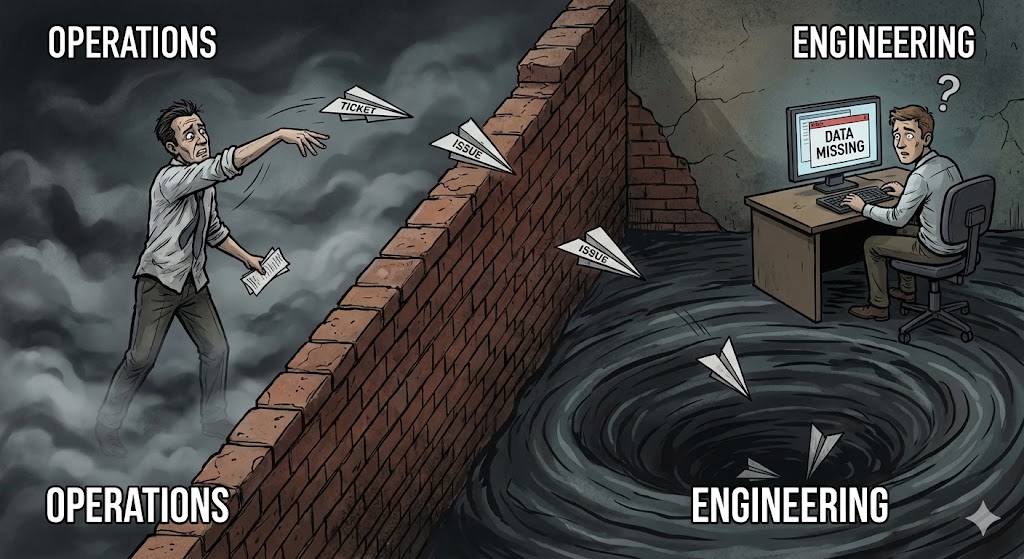
The organization’s work intake and delivery process was fragmented across emails, spreadsheets, and manual handoffs, creating a “black hole” of accountability. Engineering and QA were routinely impacted by unplanned work and vague requests, while critical operational knowledge was often stored in people’s heads, slowing onboarding and increasing delivery risk. Teams operated in silos, with requests thrown over the wall without context, requirements, or prioritization, leading to missed commitments and reduced stakeholder confidence.
Solution :
I designed and implemented a centralized governance model that unified Operations and Engineering through a single delivery framework. Asana became the system of record for intake, prioritization, and visibility, while Jira remained the execution system for engineering connected through bi-directional integration for traceability and reporting. I standardized intake using SOPs and acceptance criteria, created a master operational project board with structured data fields, implemented a cross-team release calendar, and introduced sprint-based operating rhythms for non-technical teams to drive consistent execution and escalation.


Challenge :
The main challenge was adoption. The Operations team initially resisted the “rigid” process, fearing governance would slow response time. The work required aligning technical and non-technical teams without disrupting their existing operations. I reframed governance as protection, showing that clearer intake and standardized templates reduced rework and improved turnaround time. Maintaining data integrity across systems while migrating historical information and retiring legacy tools in phases also required careful sequencing, testing, and training.
Summary :
This project transformed fragmented, manual operations into an enterprise-grade delivery system with real-time visibility, standardized intake, and end-to-end traceability. The result was measurable improvement: reduced cross-functional misalignment, increased sprint throughput, faster onboarding, and stronger stakeholder confidence through documented delivery compliance. Most importantly, the organization established a scalable foundation aligned with ITIL-style governance principles, built to support growth without requiring constant process reinvention.

More Projects





Enterprise Platforms & Governance
Enterprise Project Management System Build & Governance
A centralized enterprise delivery and governance system built to eliminate fragmented intake, siloed execution, and low visibility across Operations, Engineering, Product, and Customer Success. The solution unified workflows through an Asana system-of-record integrated with Jira, supported by SOPs, traceability, and executive reporting to create predictable, scalable delivery.
Year :
2025
Industry :
Healthcare SaaS / Operations Transformation
Client :
Internal Operations (Enterprise Delivery Team)
Project Duration :
6-12 weeks
Problem :
The organization’s work intake and delivery process was fragmented across emails, spreadsheets, and manual handoffs, creating a “black hole” of accountability. Engineering and QA were routinely impacted by unplanned work and vague requests, while critical operational knowledge was often stored in people’s heads, slowing onboarding and increasing delivery risk. Teams operated in silos, with requests thrown over the wall without context, requirements, or prioritization, leading to missed commitments and reduced stakeholder confidence.
Solution :
I designed and implemented a centralized governance model that unified Operations and Engineering through a single delivery framework. Asana became the system of record for intake, prioritization, and visibility, while Jira remained the execution system for engineering connected through bi-directional integration for traceability and reporting. I standardized intake using SOPs and acceptance criteria, created a master operational project board with structured data fields, implemented a cross-team release calendar, and introduced sprint-based operating rhythms for non-technical teams to drive consistent execution and escalation.
Challenge :
The main challenge was adoption. The Operations team initially resisted the “rigid” process, fearing governance would slow response time. The work required aligning technical and non-technical teams without disrupting their existing operations. I reframed governance as protection, showing that clearer intake and standardized templates reduced rework and improved turnaround time. Maintaining data integrity across systems while migrating historical information and retiring legacy tools in phases also required careful sequencing, testing, and training.
Summary :
This project transformed fragmented, manual operations into an enterprise-grade delivery system with real-time visibility, standardized intake, and end-to-end traceability. The result was measurable improvement: reduced cross-functional misalignment, increased sprint throughput, faster onboarding, and stronger stakeholder confidence through documented delivery compliance. Most importantly, the organization established a scalable foundation aligned with ITIL-style governance principles, built to support growth without requiring constant process reinvention.
More Projects
Enterprise Platforms & Governance
Enterprise Project Management System Build & Governance
A centralized enterprise delivery and governance system built to eliminate fragmented intake, siloed execution, and low visibility across Operations, Engineering, Product, and Customer Success. The solution unified workflows through an Asana system-of-record integrated with Jira, supported by SOPs, traceability, and executive reporting to create predictable, scalable delivery.
Year :
2025
Industry :
Healthcare SaaS / Operations Transformation
Client :
Internal Operations (Enterprise Delivery Team)
Project Duration :
6-12 weeks
Problem :
The organization’s work intake and delivery process was fragmented across emails, spreadsheets, and manual handoffs, creating a “black hole” of accountability. Engineering and QA were routinely impacted by unplanned work and vague requests, while critical operational knowledge was often stored in people’s heads, slowing onboarding and increasing delivery risk. Teams operated in silos, with requests thrown over the wall without context, requirements, or prioritization, leading to missed commitments and reduced stakeholder confidence.
Solution :
I designed and implemented a centralized governance model that unified Operations and Engineering through a single delivery framework. Asana became the system of record for intake, prioritization, and visibility, while Jira remained the execution system for engineering connected through bi-directional integration for traceability and reporting. I standardized intake using SOPs and acceptance criteria, created a master operational project board with structured data fields, implemented a cross-team release calendar, and introduced sprint-based operating rhythms for non-technical teams to drive consistent execution and escalation.
Challenge :
The main challenge was adoption. The Operations team initially resisted the “rigid” process, fearing governance would slow response time. The work required aligning technical and non-technical teams without disrupting their existing operations. I reframed governance as protection, showing that clearer intake and standardized templates reduced rework and improved turnaround time. Maintaining data integrity across systems while migrating historical information and retiring legacy tools in phases also required careful sequencing, testing, and training.
Summary :
This project transformed fragmented, manual operations into an enterprise-grade delivery system with real-time visibility, standardized intake, and end-to-end traceability. The result was measurable improvement: reduced cross-functional misalignment, increased sprint throughput, faster onboarding, and stronger stakeholder confidence through documented delivery compliance. Most importantly, the organization established a scalable foundation aligned with ITIL-style governance principles, built to support growth without requiring constant process reinvention.