Healthcare Operations & Regulatory Transformation
Healthcare Workflow Prioritization & Predictive Analytics Alignment
Redesigned a health plan’s workflow prioritization and analytics model to eliminate overlapping criteria, restore deterministic logic, and align operational workflows with predictive risk insights. The initiative modernized business rules, ETL pipelines, and dashboard UX to deliver transparent, explainable, and clinically aligned member prioritization.
Year :
2025
Industry :
Healthcare / Health Plans
Client :
Regional Health Plan
Project Duration :
Multi-phase rollout
Problem :
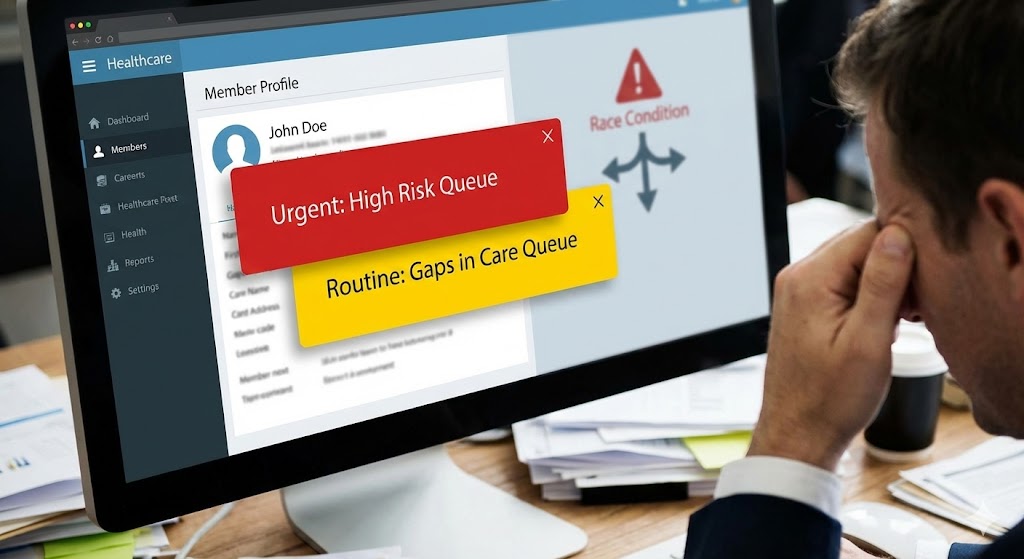
The client’s member outreach workflows were obsolete and logically inconsistent. Members could appear in multiple queues at the same time (High Risk, Gaps in Care, Preventive), creating confusion for care managers and reducing outreach effectiveness. Backend ETL processes produced inconsistent results across runs, dashboards lacked clear hierarchy or explanation, and leadership could not confidently explain why a member was placed in a specific queue triggering escalations and eroding client confidence.
Solution :
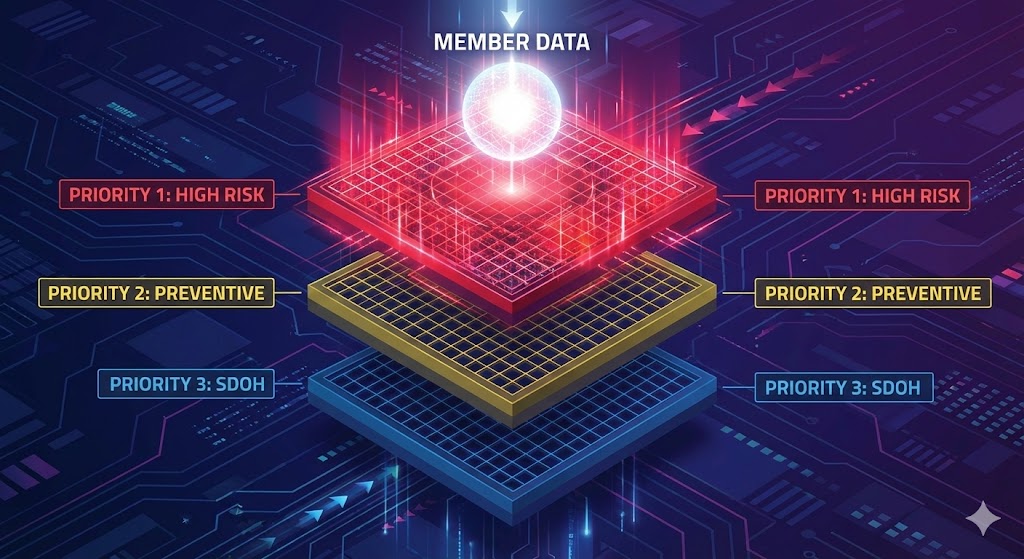
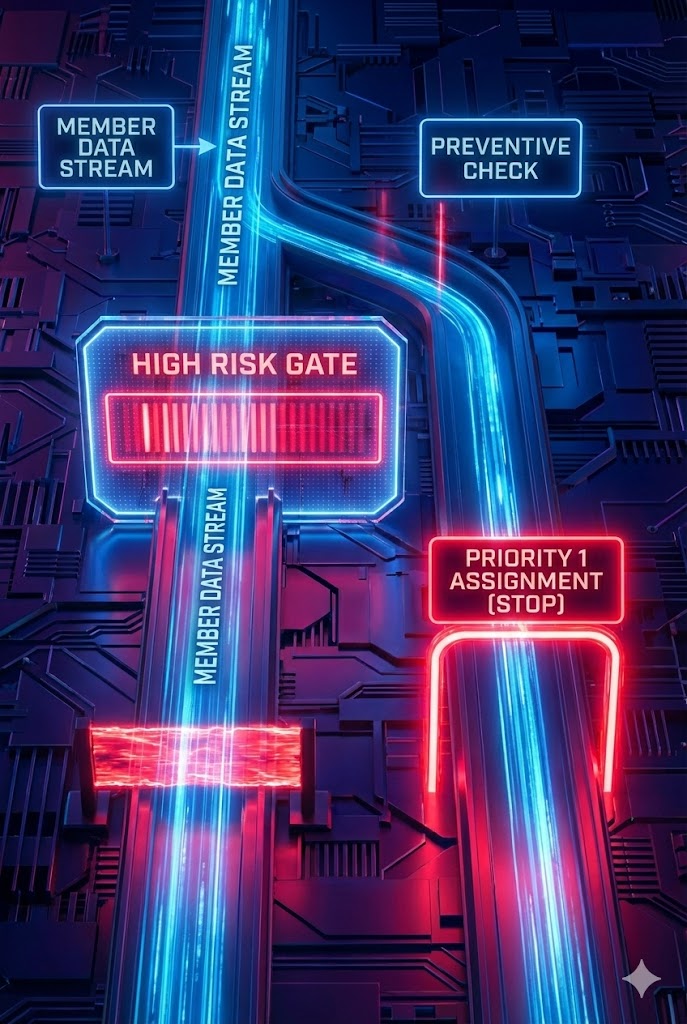
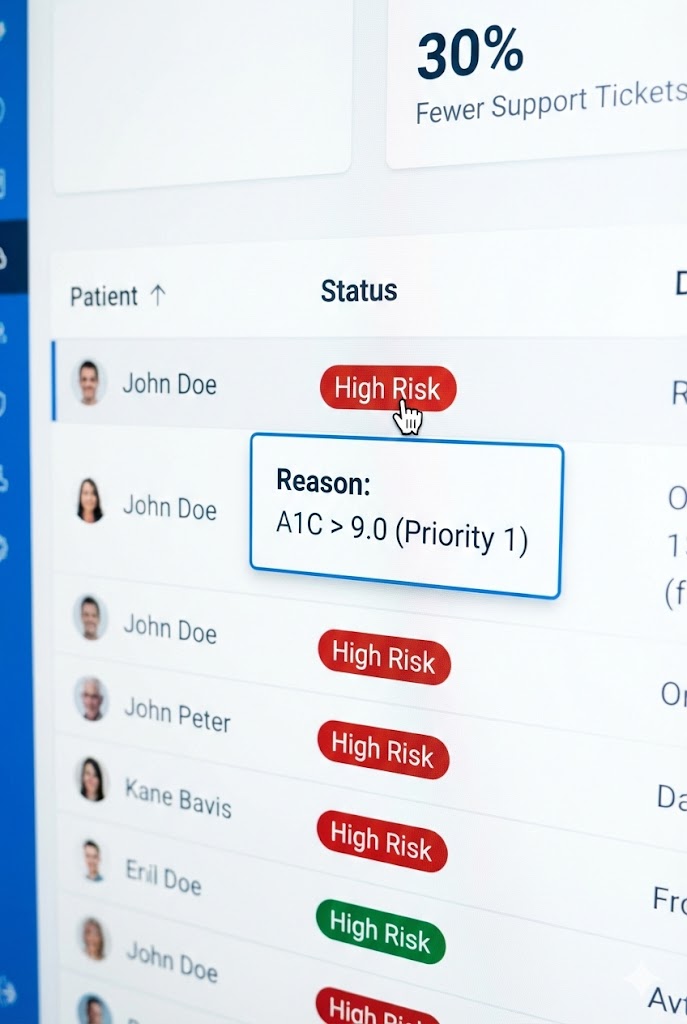
I led a comprehensive redesign of the workflow taxonomy, business logic, and data pipelines. The solution introduced mutually exclusive, priority-ordered workflow groups aligned to clinical risk, enforced deterministic assignment rules, and implemented versioned Workflow IDs to ensure consistent ETL outcomes. Dashboard UX was redesigned with tabbed views and “Why am I here?” tooltips, providing plain-language explanations of member eligibility and restoring transparency across operational and leadership teams.
Challenge :
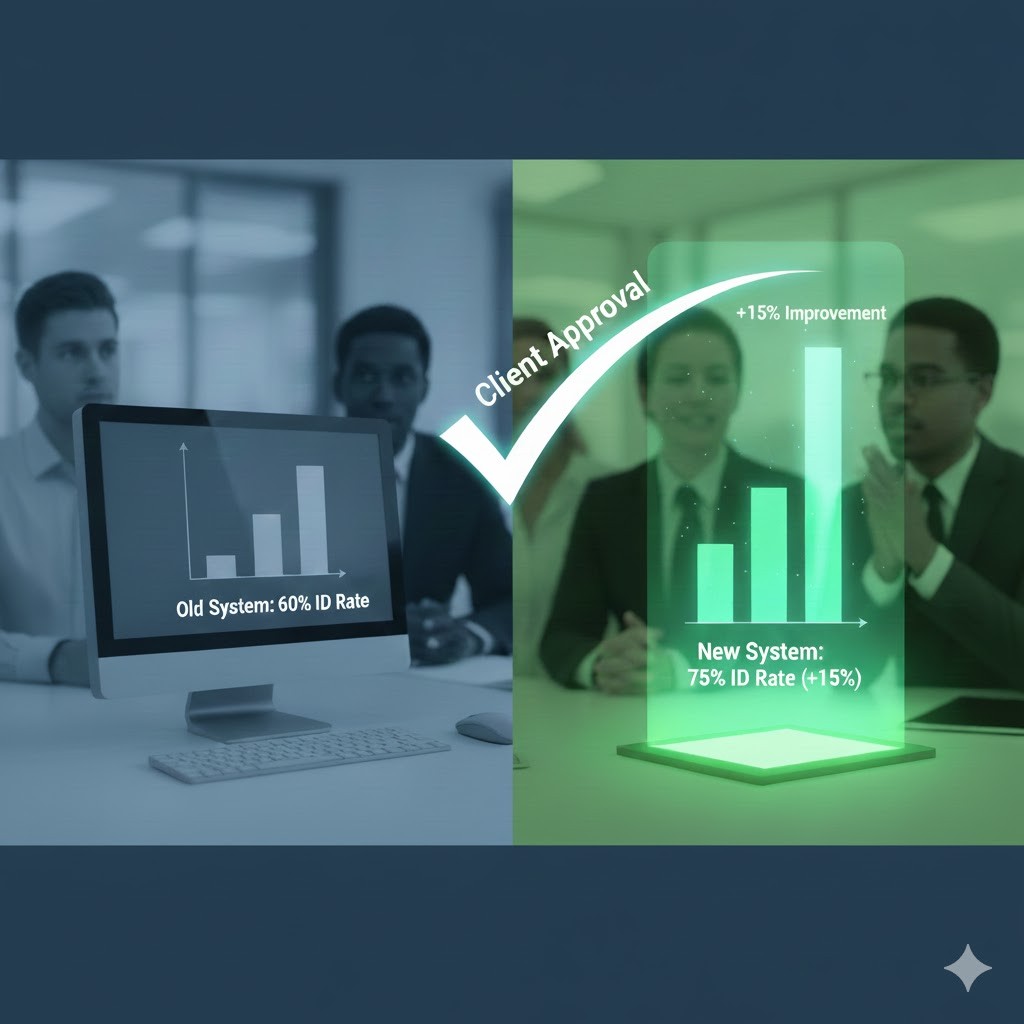
Care managers and client stakeholders were initially resistant to workflow changes, concerned that queue restructuring would disrupt daily operations and reduce productivity. To mitigate risk, I implemented a parallel pilot running the legacy dashboard alongside the new logic. The side-by-side comparison demonstrated a 15% increase in high-risk member identification, which eliminated resistance, secured client approval, and enabled full production cutover without operational disruption.
Summary :
This transformation delivered measurable and sustained impact: 15% more high-risk members identified, 100% deterministic workflow logic, and 30% fewer support tickets due to improved dashboard clarity. The platform now provides predictable, explainable member prioritization, supports regulatory and leadership reporting, and establishes a scalable workflow foundation aligned to the client’s 2025 operational model and future expansion needs.
More Projects




Healthcare Operations & Regulatory Transformation
Healthcare Workflow Prioritization & Predictive Analytics Alignment
Redesigned a health plan’s workflow prioritization and analytics model to eliminate overlapping criteria, restore deterministic logic, and align operational workflows with predictive risk insights. The initiative modernized business rules, ETL pipelines, and dashboard UX to deliver transparent, explainable, and clinically aligned member prioritization.
Year :
2025
Industry :
Healthcare / Health Plans
Client :
Regional Health Plan
Project Duration :
Multi-phase rollout
Problem :
The client’s member outreach workflows were obsolete and logically inconsistent. Members could appear in multiple queues at the same time (High Risk, Gaps in Care, Preventive), creating confusion for care managers and reducing outreach effectiveness. Backend ETL processes produced inconsistent results across runs, dashboards lacked clear hierarchy or explanation, and leadership could not confidently explain why a member was placed in a specific queue triggering escalations and eroding client confidence.
Solution :
I led a comprehensive redesign of the workflow taxonomy, business logic, and data pipelines. The solution introduced mutually exclusive, priority-ordered workflow groups aligned to clinical risk, enforced deterministic assignment rules, and implemented versioned Workflow IDs to ensure consistent ETL outcomes. Dashboard UX was redesigned with tabbed views and “Why am I here?” tooltips, providing plain-language explanations of member eligibility and restoring transparency across operational and leadership teams.
Challenge :
Care managers and client stakeholders were initially resistant to workflow changes, concerned that queue restructuring would disrupt daily operations and reduce productivity. To mitigate risk, I implemented a parallel pilot running the legacy dashboard alongside the new logic. The side-by-side comparison demonstrated a 15% increase in high-risk member identification, which eliminated resistance, secured client approval, and enabled full production cutover without operational disruption.
Summary :
This transformation delivered measurable and sustained impact: 15% more high-risk members identified, 100% deterministic workflow logic, and 30% fewer support tickets due to improved dashboard clarity. The platform now provides predictable, explainable member prioritization, supports regulatory and leadership reporting, and establishes a scalable workflow foundation aligned to the client’s 2025 operational model and future expansion needs.
More Projects
Healthcare Operations & Regulatory Transformation
Healthcare Workflow Prioritization & Predictive Analytics Alignment
Redesigned a health plan’s workflow prioritization and analytics model to eliminate overlapping criteria, restore deterministic logic, and align operational workflows with predictive risk insights. The initiative modernized business rules, ETL pipelines, and dashboard UX to deliver transparent, explainable, and clinically aligned member prioritization.
Year :
2025
Industry :
Healthcare / Health Plans
Client :
Regional Health Plan
Project Duration :
Multi-phase rollout
Problem :
The client’s member outreach workflows were obsolete and logically inconsistent. Members could appear in multiple queues at the same time (High Risk, Gaps in Care, Preventive), creating confusion for care managers and reducing outreach effectiveness. Backend ETL processes produced inconsistent results across runs, dashboards lacked clear hierarchy or explanation, and leadership could not confidently explain why a member was placed in a specific queue triggering escalations and eroding client confidence.
Solution :
I led a comprehensive redesign of the workflow taxonomy, business logic, and data pipelines. The solution introduced mutually exclusive, priority-ordered workflow groups aligned to clinical risk, enforced deterministic assignment rules, and implemented versioned Workflow IDs to ensure consistent ETL outcomes. Dashboard UX was redesigned with tabbed views and “Why am I here?” tooltips, providing plain-language explanations of member eligibility and restoring transparency across operational and leadership teams.
Challenge :
Care managers and client stakeholders were initially resistant to workflow changes, concerned that queue restructuring would disrupt daily operations and reduce productivity. To mitigate risk, I implemented a parallel pilot running the legacy dashboard alongside the new logic. The side-by-side comparison demonstrated a 15% increase in high-risk member identification, which eliminated resistance, secured client approval, and enabled full production cutover without operational disruption.
Summary :
This transformation delivered measurable and sustained impact: 15% more high-risk members identified, 100% deterministic workflow logic, and 30% fewer support tickets due to improved dashboard clarity. The platform now provides predictable, explainable member prioritization, supports regulatory and leadership reporting, and establishes a scalable workflow foundation aligned to the client’s 2025 operational model and future expansion needs.