Capital Projects & Real Estate Delivery
Kennedy Row Boutique Condo Conversion
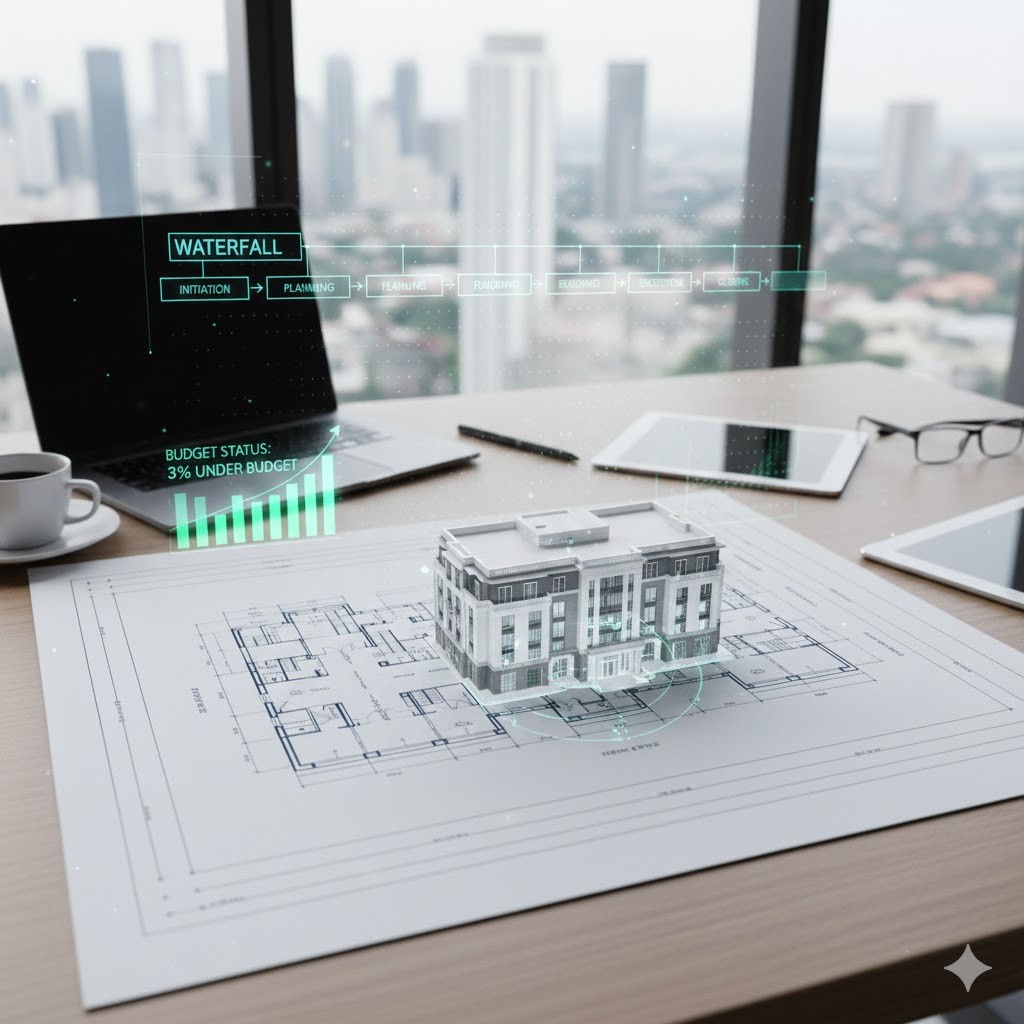
Led the full-gut conversion of a historic 1911 rowhouse into four luxury condominium units, including a two-story vertical addition. The project required strict regulatory compliance, environmental hazard remediation, and hybrid Waterfall–Agile execution to maximize after-renovation value while maintaining 100% safety and code adherence.
Year :
2018
Industry :
Real Estate Development / Construction
Client :
Private Real Estate Development Entity
Project Duration :
Multi-phase renovation lifecycle
Problem :
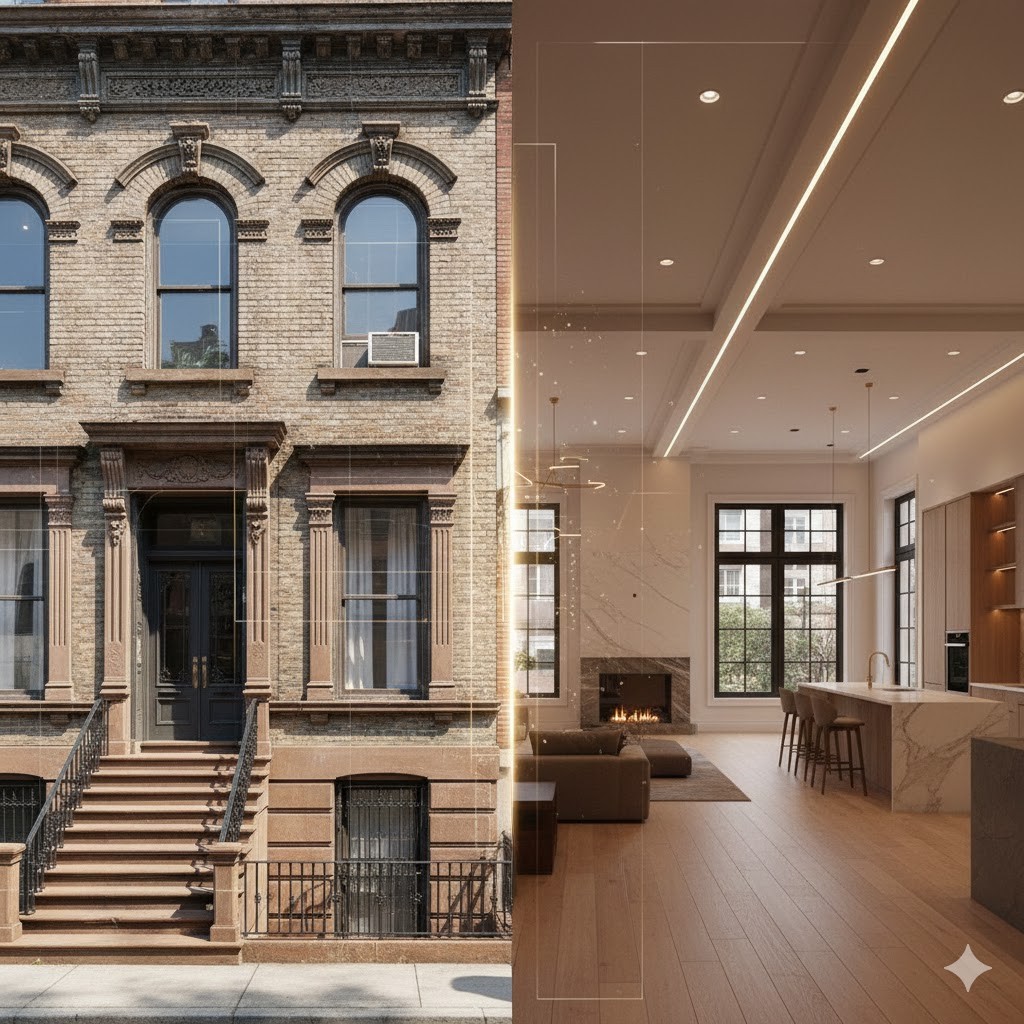
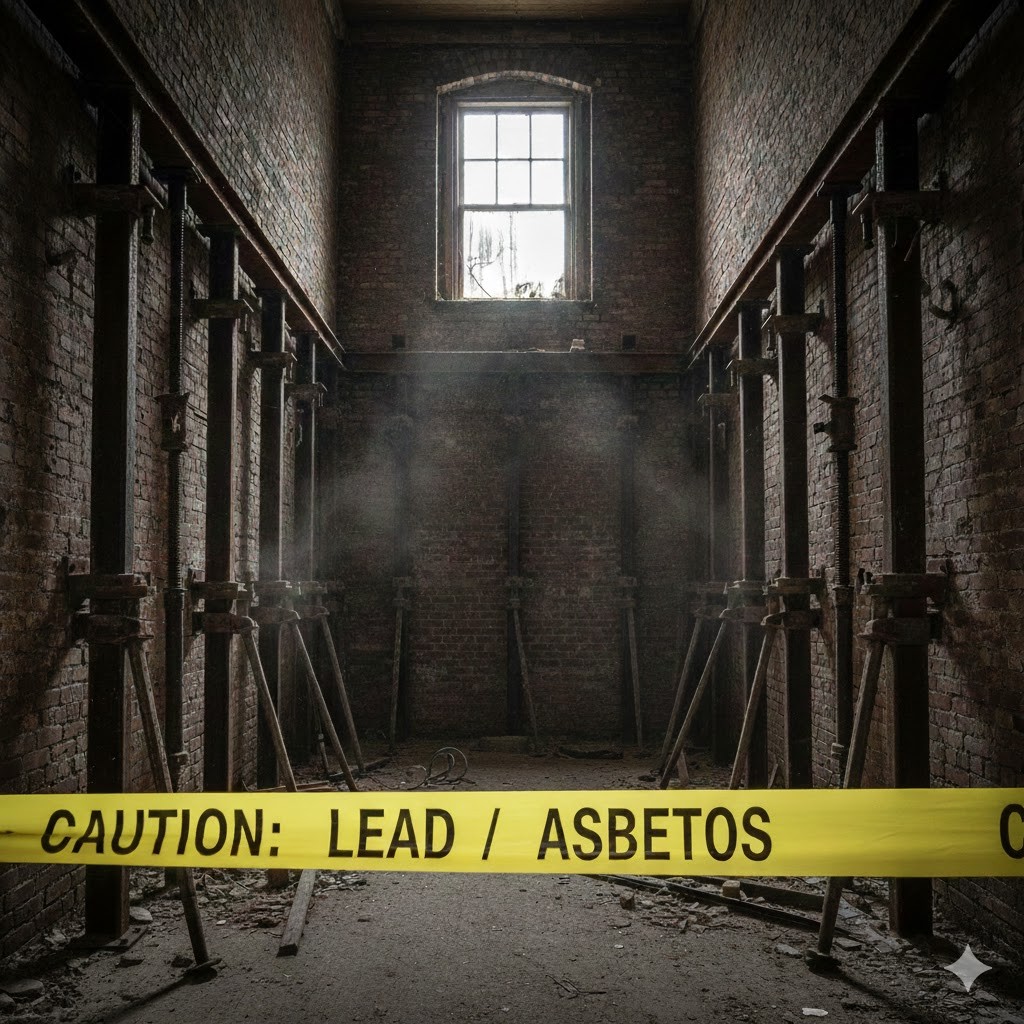
The property was a distressed historic asset with major structural deficiencies, environmental hazards (lead-based paint and asbestos), and strict “Substantial Alteration” code requirements under DC regulations. Adding two stories to a 100-year-old masonry structure introduced significant financial, safety, and compliance risk. Any failure to achieve regulatory approval or structural integrity would have prevented occupancy and eliminated the project’s revenue potential.
Solution :
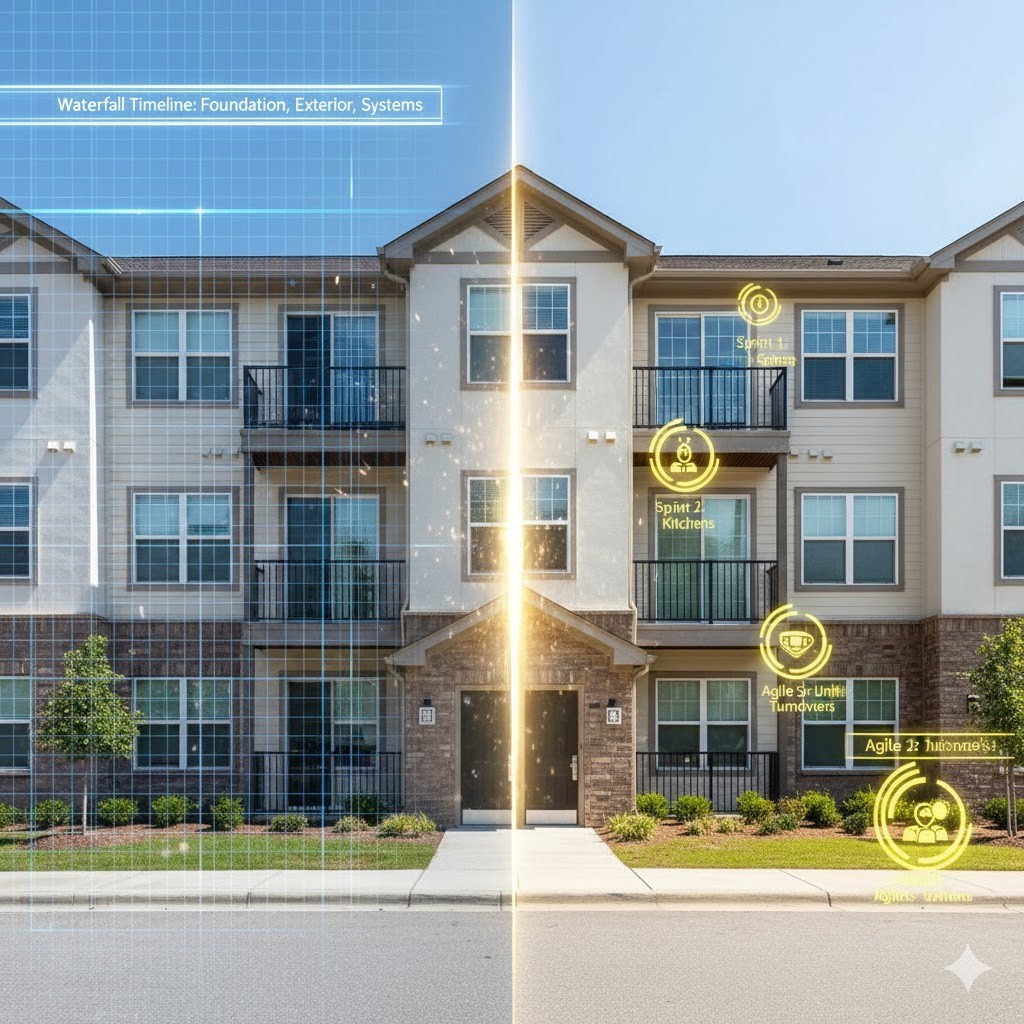
I led a comprehensive redevelopment strategy that combined traditional Waterfall planning for permitting, structural engineering, and compliance with Agile execution for interior finishes and market-responsive decision-making. The solution included certified hazardous material remediation, NFPA 13R fire suppression, structural underpinning, independent utility metering, and a sequenced construction plan that preserved safety and regulatory compliance while optimizing ARV through design and finish flexibility.


Challenge :
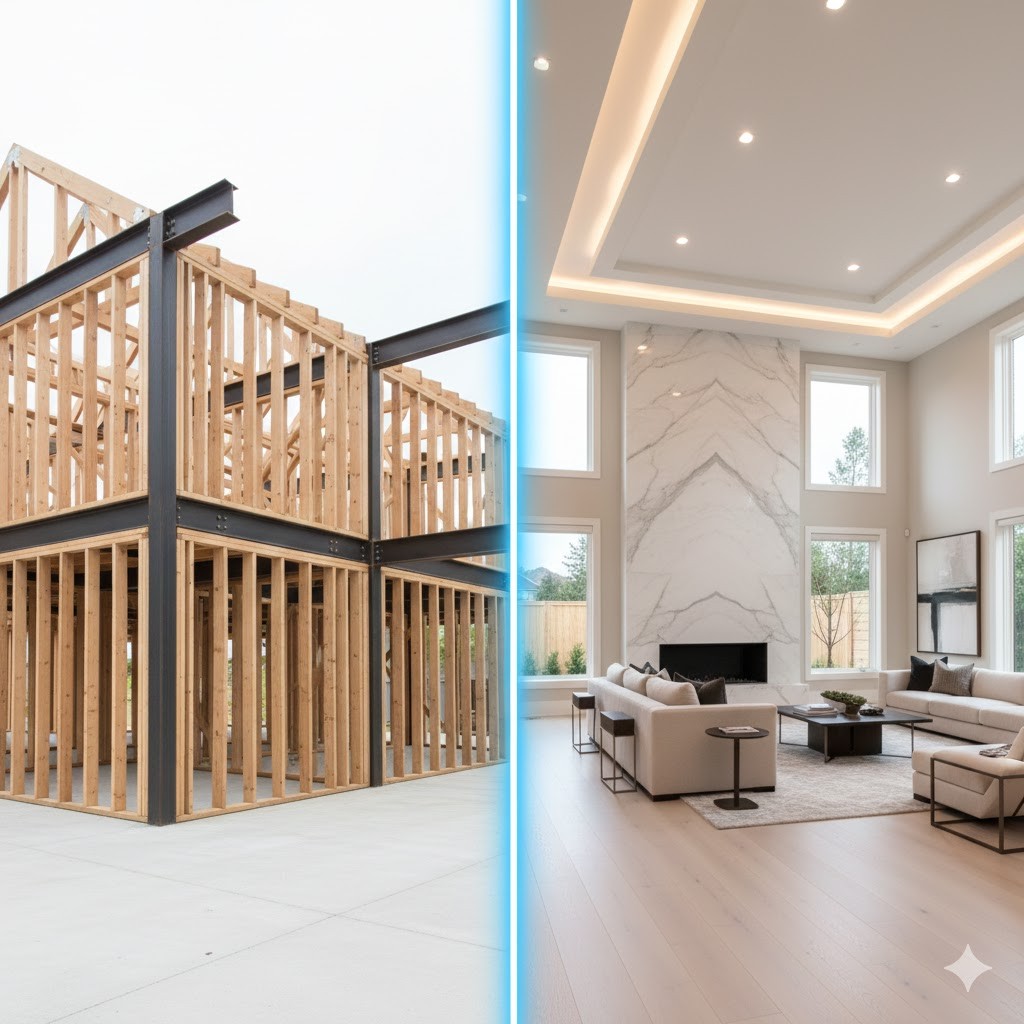
During demolition, latent foundation settlement was discovered that threatened the structural viability of the two-story addition. To mitigate risk without halting progress, I activated a pre-planned contingency buffer and coordinated immediate foundation underpinning while allowing framing work to continue on upper levels. This approach preserved schedule integrity, avoided cost overruns, and maintained full compliance with safety and inspection requirements.
Summary :
The project achieved 100% code compliance, zero safety incidents, and delivered a 4× asset value transformation, converting a single distressed liability into four high-value, revenue-generating condominium units. All structural, MEP, and fire safety inspections passed on the first final walkthrough. The project established a scalable redevelopment model for future historic conversions, thereby reinforcing investor confidence and ensuring reliable execution.

More Projects

Capital Projects & Real Estate Delivery
Kennedy Row Boutique Condo Conversion
Led the full-gut conversion of a historic 1911 rowhouse into four luxury condominium units, including a two-story vertical addition. The project required strict regulatory compliance, environmental hazard remediation, and hybrid Waterfall–Agile execution to maximize after-renovation value while maintaining 100% safety and code adherence.
Year :
2018
Industry :
Real Estate Development / Construction
Client :
Private Real Estate Development Entity
Project Duration :
Multi-phase renovation lifecycle
Problem :
The property was a distressed historic asset with major structural deficiencies, environmental hazards (lead-based paint and asbestos), and strict “Substantial Alteration” code requirements under DC regulations. Adding two stories to a 100-year-old masonry structure introduced significant financial, safety, and compliance risk. Any failure to achieve regulatory approval or structural integrity would have prevented occupancy and eliminated the project’s revenue potential.
Solution :
I led a comprehensive redevelopment strategy that combined traditional Waterfall planning for permitting, structural engineering, and compliance with Agile execution for interior finishes and market-responsive decision-making. The solution included certified hazardous material remediation, NFPA 13R fire suppression, structural underpinning, independent utility metering, and a sequenced construction plan that preserved safety and regulatory compliance while optimizing ARV through design and finish flexibility.
Challenge :
During demolition, latent foundation settlement was discovered that threatened the structural viability of the two-story addition. To mitigate risk without halting progress, I activated a pre-planned contingency buffer and coordinated immediate foundation underpinning while allowing framing work to continue on upper levels. This approach preserved schedule integrity, avoided cost overruns, and maintained full compliance with safety and inspection requirements.
Summary :
The project achieved 100% code compliance, zero safety incidents, and delivered a 4× asset value transformation, converting a single distressed liability into four high-value, revenue-generating condominium units. All structural, MEP, and fire safety inspections passed on the first final walkthrough. The project established a scalable redevelopment model for future historic conversions, thereby reinforcing investor confidence and ensuring reliable execution.
More Projects
Capital Projects & Real Estate Delivery
Kennedy Row Boutique Condo Conversion
Led the full-gut conversion of a historic 1911 rowhouse into four luxury condominium units, including a two-story vertical addition. The project required strict regulatory compliance, environmental hazard remediation, and hybrid Waterfall–Agile execution to maximize after-renovation value while maintaining 100% safety and code adherence.
Year :
2018
Industry :
Real Estate Development / Construction
Client :
Private Real Estate Development Entity
Project Duration :
Multi-phase renovation lifecycle
Problem :
The property was a distressed historic asset with major structural deficiencies, environmental hazards (lead-based paint and asbestos), and strict “Substantial Alteration” code requirements under DC regulations. Adding two stories to a 100-year-old masonry structure introduced significant financial, safety, and compliance risk. Any failure to achieve regulatory approval or structural integrity would have prevented occupancy and eliminated the project’s revenue potential.
Solution :
I led a comprehensive redevelopment strategy that combined traditional Waterfall planning for permitting, structural engineering, and compliance with Agile execution for interior finishes and market-responsive decision-making. The solution included certified hazardous material remediation, NFPA 13R fire suppression, structural underpinning, independent utility metering, and a sequenced construction plan that preserved safety and regulatory compliance while optimizing ARV through design and finish flexibility.
Challenge :
During demolition, latent foundation settlement was discovered that threatened the structural viability of the two-story addition. To mitigate risk without halting progress, I activated a pre-planned contingency buffer and coordinated immediate foundation underpinning while allowing framing work to continue on upper levels. This approach preserved schedule integrity, avoided cost overruns, and maintained full compliance with safety and inspection requirements.
Summary :
The project achieved 100% code compliance, zero safety incidents, and delivered a 4× asset value transformation, converting a single distressed liability into four high-value, revenue-generating condominium units. All structural, MEP, and fire safety inspections passed on the first final walkthrough. The project established a scalable redevelopment model for future historic conversions, thereby reinforcing investor confidence and ensuring reliable execution.