Enterprise Platforms & Governance
Salesforce Service Cloud Migration
Migrated a healthcare SaaS support operation to Salesforce Service Cloud using an ITIL-aligned service delivery model. Implemented automated intake, intelligent routing, SLA tracking, and Jira integration to deliver real-time visibility and faster resolution.
Year :
2025
Industry :
Healthcare SaaS
Client :
Internal Support & Operations (Healthcare SaaS Platform)
Project Duration :
6 months
Problem :
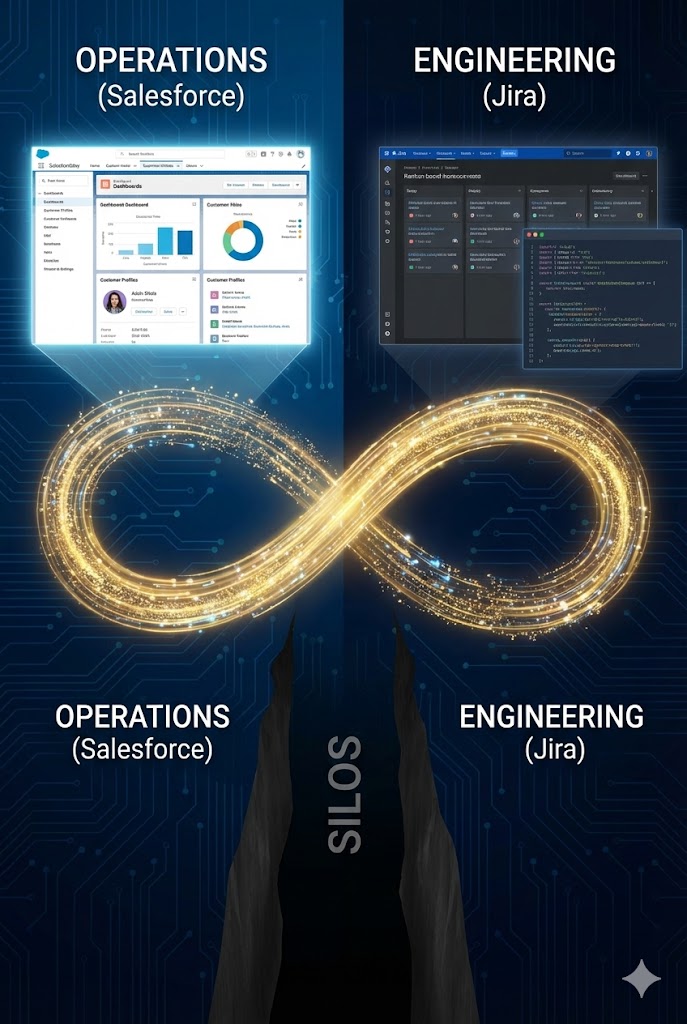
Support requests were coming through unstructured channels (email, phone, and a legacy help desk tool), creating a “black box” with no centralized tracking, reporting, or SLA visibility. Operations and Engineering were misaligned—tickets were thrown over the wall without consistent context, requirements, or prioritization. Without the ability to monitor and prove SLA performance, the organization faced contract risk and reduced stakeholder confidence.

Solution :
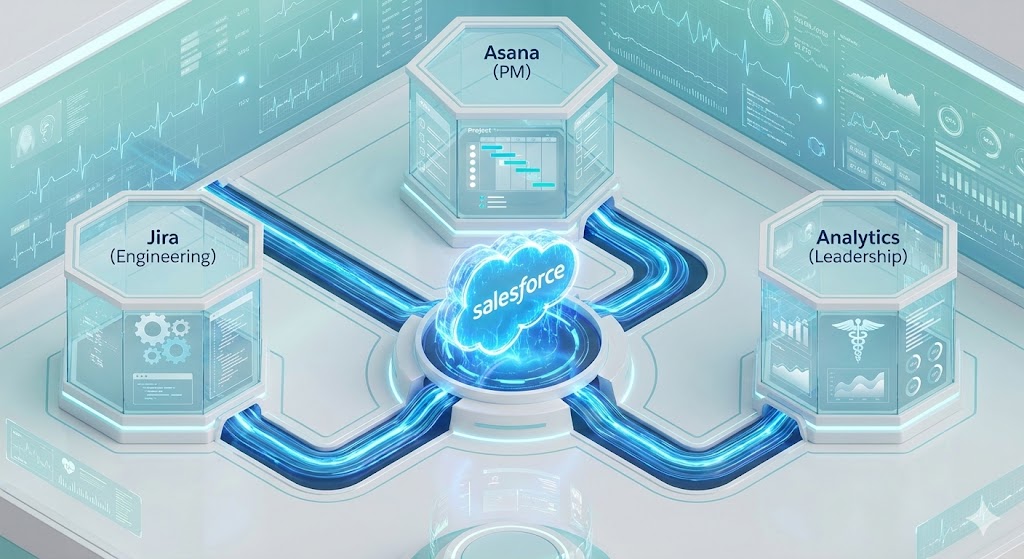
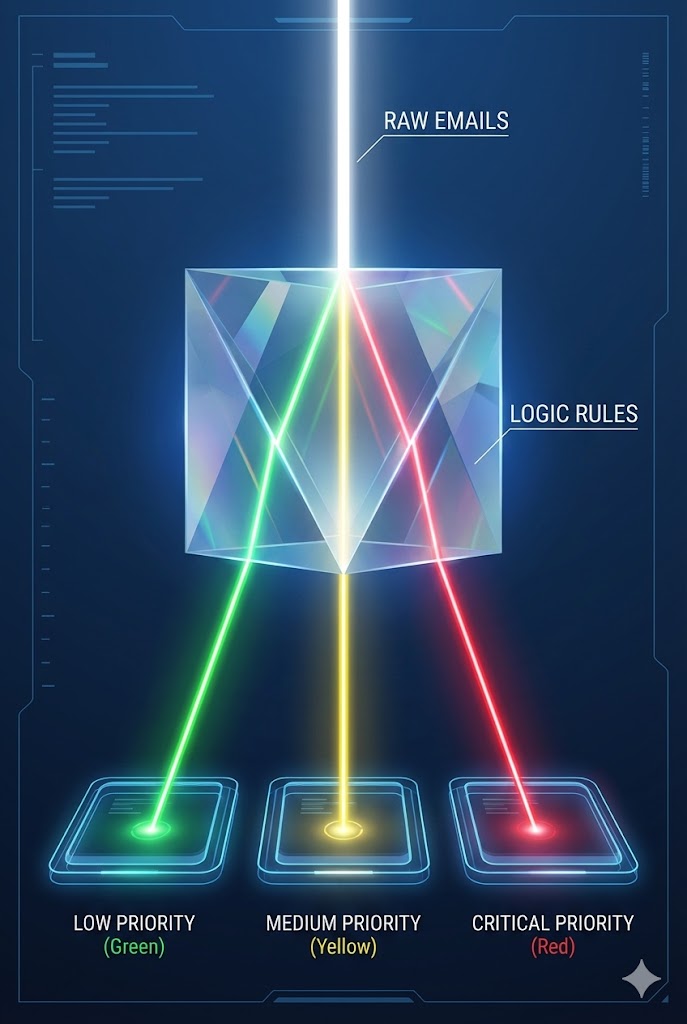
Led the full migration to Salesforce Service Cloud and established a centralized, ITIL-aligned service delivery model. Implemented standardized intake, automated email-to-case, intelligent routing and auto-assignment (based on client tier and severity), and end-to-end SLA tracking with real-time dashboards. Designed bi-directional Salesforce–Jira synchronization so Engineering could remain in Jira while Operations worked in Salesforce—preserving workflows while enabling complete traceability, audit trails, and measurable SLA performance.
Challenge :
Engineering strongly resisted adopting Salesforce for ticket updates and viewed a second tool as overhead that would slow delivery velocity. Instead of forcing behavior change, the strategic pivot was building a bi-directional integration that respected each team’s preferred workspace—Jira for Engineering and Salesforce for Operations—while keeping updates synchronized automatically in real time. This eliminated resistance, ensured adoption across both teams, and maintained the data integrity required for SLA monitoring and reporting.
Summary :
This migration transformed fragmented support operations into a unified service ecosystem with automated intake, real-time SLA visibility, and full traceability between support cases and engineering work. Results included 27% faster triage, 40% less manual effort, and 100% SLA visibility for the first time. The organization reduced contract risk, improved cross-functional alignment, and gained a scalable ITIL-aligned foundation capable of supporting continued growth without additional headcount or system redesign.

More Projects



Enterprise Platforms & Governance
Salesforce Service Cloud Migration
Migrated a healthcare SaaS support operation to Salesforce Service Cloud using an ITIL-aligned service delivery model. Implemented automated intake, intelligent routing, SLA tracking, and Jira integration to deliver real-time visibility and faster resolution.
Year :
2025
Industry :
Healthcare SaaS
Client :
Internal Support & Operations (Healthcare SaaS Platform)
Project Duration :
6 months
Problem :
Support requests were coming through unstructured channels (email, phone, and a legacy help desk tool), creating a “black box” with no centralized tracking, reporting, or SLA visibility. Operations and Engineering were misaligned—tickets were thrown over the wall without consistent context, requirements, or prioritization. Without the ability to monitor and prove SLA performance, the organization faced contract risk and reduced stakeholder confidence.
Solution :
Led the full migration to Salesforce Service Cloud and established a centralized, ITIL-aligned service delivery model. Implemented standardized intake, automated email-to-case, intelligent routing and auto-assignment (based on client tier and severity), and end-to-end SLA tracking with real-time dashboards. Designed bi-directional Salesforce–Jira synchronization so Engineering could remain in Jira while Operations worked in Salesforce—preserving workflows while enabling complete traceability, audit trails, and measurable SLA performance.
Challenge :
Engineering strongly resisted adopting Salesforce for ticket updates and viewed a second tool as overhead that would slow delivery velocity. Instead of forcing behavior change, the strategic pivot was building a bi-directional integration that respected each team’s preferred workspace—Jira for Engineering and Salesforce for Operations—while keeping updates synchronized automatically in real time. This eliminated resistance, ensured adoption across both teams, and maintained the data integrity required for SLA monitoring and reporting.
Summary :
This migration transformed fragmented support operations into a unified service ecosystem with automated intake, real-time SLA visibility, and full traceability between support cases and engineering work. Results included 27% faster triage, 40% less manual effort, and 100% SLA visibility for the first time. The organization reduced contract risk, improved cross-functional alignment, and gained a scalable ITIL-aligned foundation capable of supporting continued growth without additional headcount or system redesign.
More Projects
Enterprise Platforms & Governance
Salesforce Service Cloud Migration
Migrated a healthcare SaaS support operation to Salesforce Service Cloud using an ITIL-aligned service delivery model. Implemented automated intake, intelligent routing, SLA tracking, and Jira integration to deliver real-time visibility and faster resolution.
Year :
2025
Industry :
Healthcare SaaS
Client :
Internal Support & Operations (Healthcare SaaS Platform)
Project Duration :
6 months
Problem :
Support requests were coming through unstructured channels (email, phone, and a legacy help desk tool), creating a “black box” with no centralized tracking, reporting, or SLA visibility. Operations and Engineering were misaligned—tickets were thrown over the wall without consistent context, requirements, or prioritization. Without the ability to monitor and prove SLA performance, the organization faced contract risk and reduced stakeholder confidence.
Solution :
Led the full migration to Salesforce Service Cloud and established a centralized, ITIL-aligned service delivery model. Implemented standardized intake, automated email-to-case, intelligent routing and auto-assignment (based on client tier and severity), and end-to-end SLA tracking with real-time dashboards. Designed bi-directional Salesforce–Jira synchronization so Engineering could remain in Jira while Operations worked in Salesforce—preserving workflows while enabling complete traceability, audit trails, and measurable SLA performance.
Challenge :
Engineering strongly resisted adopting Salesforce for ticket updates and viewed a second tool as overhead that would slow delivery velocity. Instead of forcing behavior change, the strategic pivot was building a bi-directional integration that respected each team’s preferred workspace—Jira for Engineering and Salesforce for Operations—while keeping updates synchronized automatically in real time. This eliminated resistance, ensured adoption across both teams, and maintained the data integrity required for SLA monitoring and reporting.
Summary :
This migration transformed fragmented support operations into a unified service ecosystem with automated intake, real-time SLA visibility, and full traceability between support cases and engineering work. Results included 27% faster triage, 40% less manual effort, and 100% SLA visibility for the first time. The organization reduced contract risk, improved cross-functional alignment, and gained a scalable ITIL-aligned foundation capable of supporting continued growth without additional headcount or system redesign.