Healthcare Operations & Regulatory Transformation
Clinical Quality Workflow Redesign & Data Integrity Enhancement
Redesigned clinical quality workflows and modernized data pipelines to restore deterministic logic, improve regulatory compliance, and establish a single source of truth for member assignment. The initiative aligned operational workflows, ETL processing, and dashboard transparency to support accurate clinical prioritization and audit-ready reporting.
Year :
2025
Industry :
Healthcare SaaS / Clinical Quality Measurement
Client :
Regional Health Plan
Project Duration :
Multi-phase rollout

Problem :
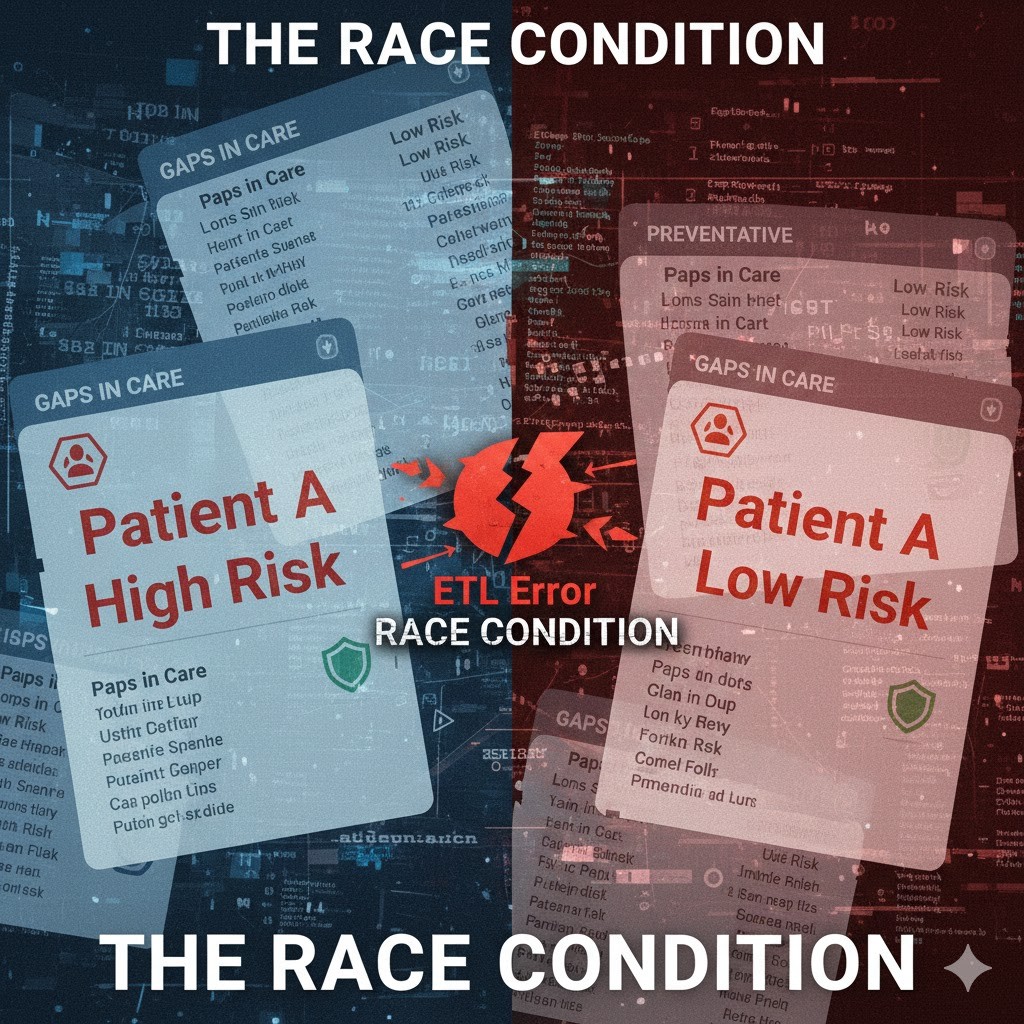
Clinical quality workflows suffered from overlapping logic, non-deterministic ETL behavior, and limited transparency. Members appeared simultaneously in multiple workflow queues, dashboards lacked hierarchy or explanation, and running the same data twice produced inconsistent results. Leadership could not reliably explain member assignment decisions to regulators or boards, putting compliance, renewals, and client confidence at risk.
Solution :
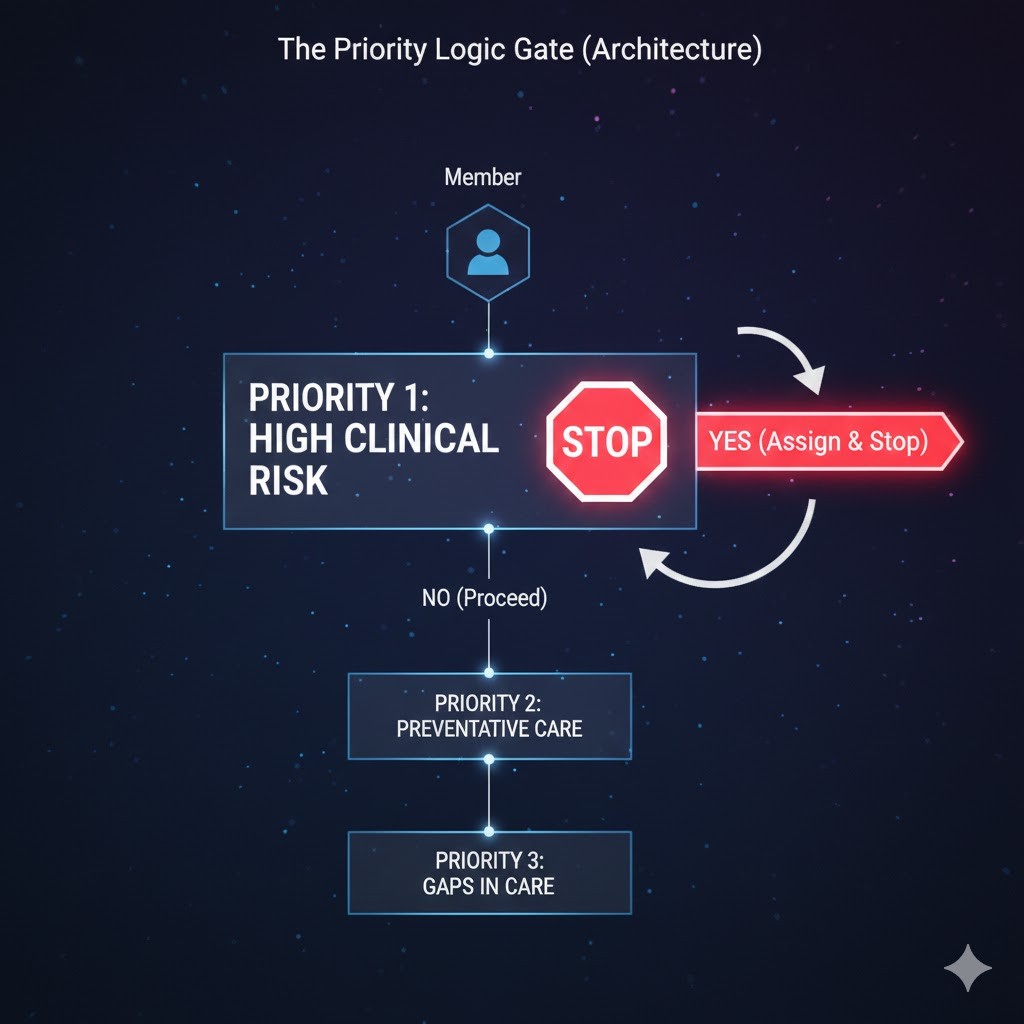
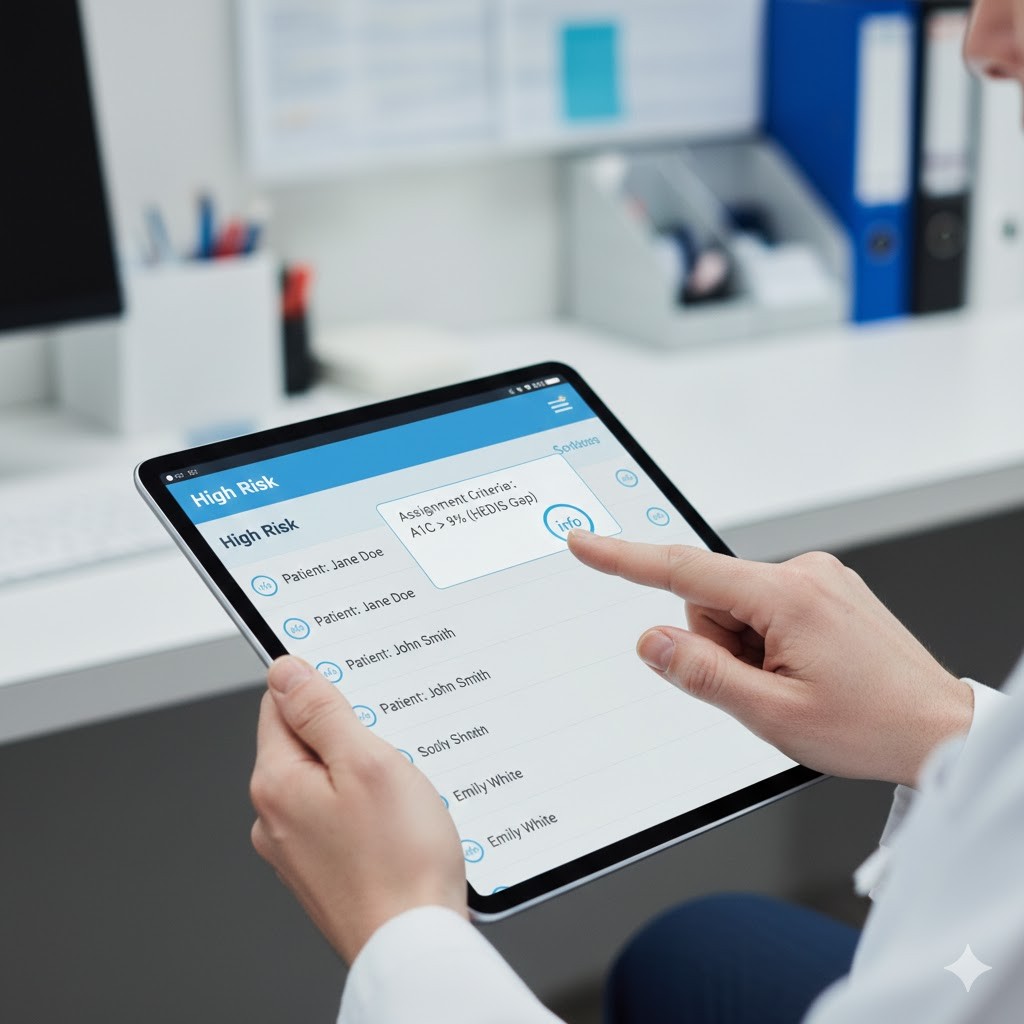
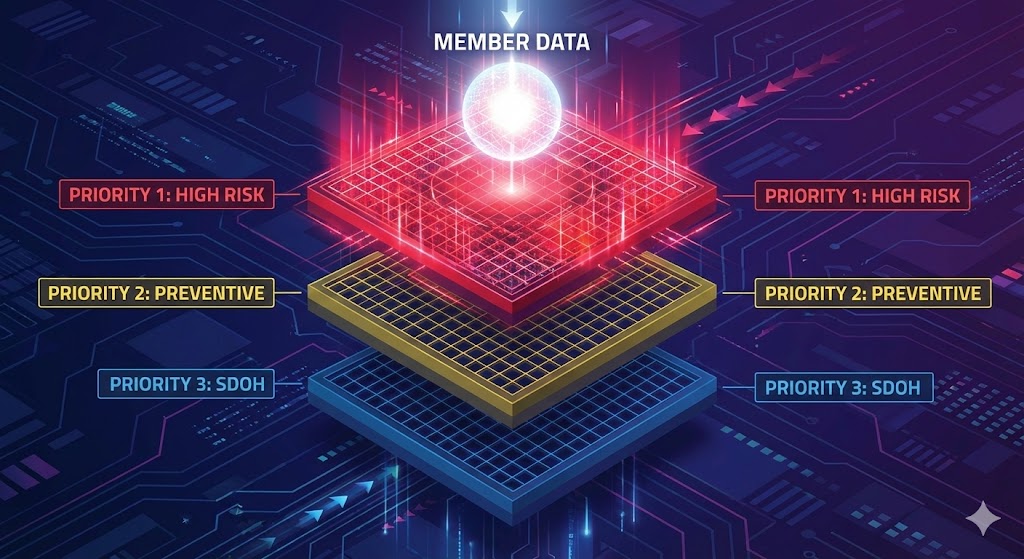
I led a comprehensive redesign of the workflow taxonomy, business rules, and data pipelines. The solution introduced mutually exclusive, priority-ordered workflow groups aligned to clinical risk, deterministic ETL processing with zero race conditions, and a versioned workflow ID framework. Dashboard UX was redesigned with tabbed priority views and “Why am I here?” explanations, restoring transparency for care managers and leadership.
Challenge :
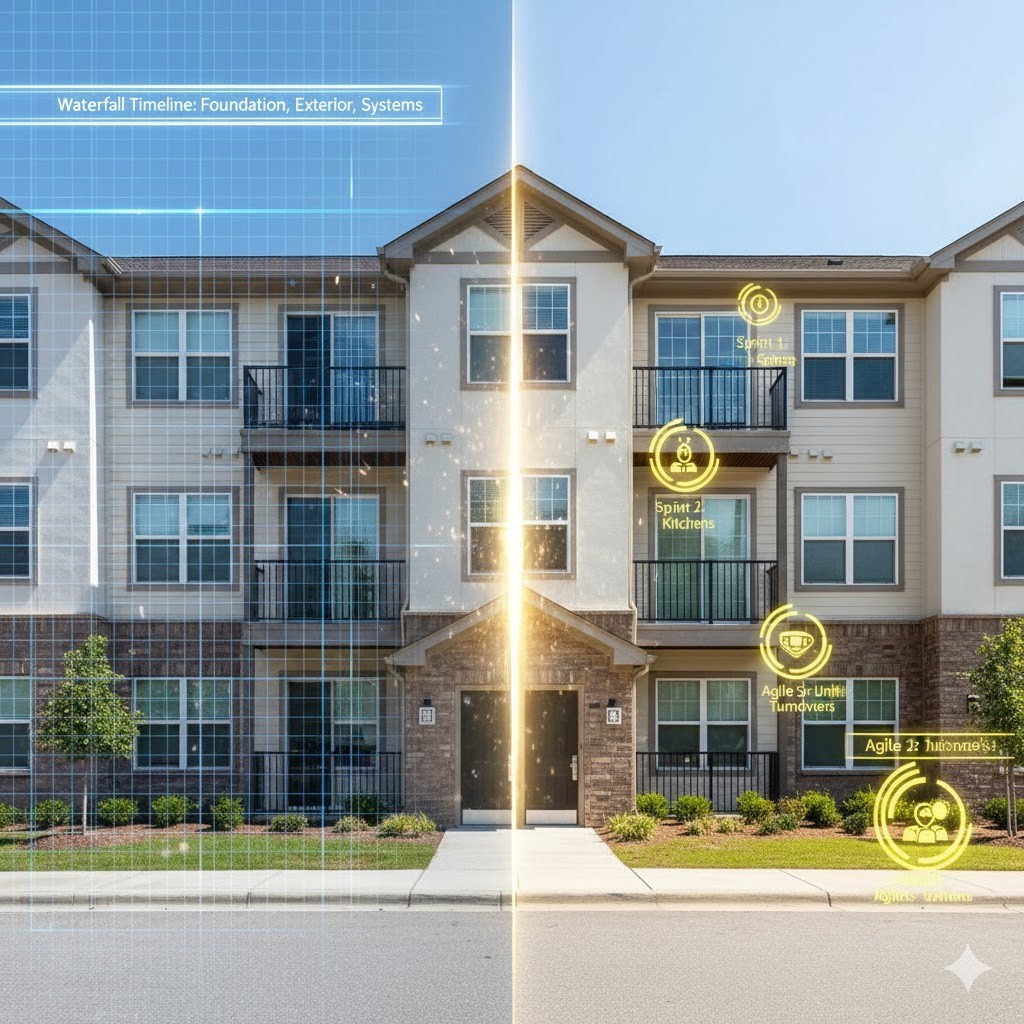
Care management teams were resistant to changing long-standing workflows due to fear of operational disruption. To mitigate risk, I implemented a parallel pilot that ran legacy and redesigned logic side-by-side, allowing validation without impacting production. The pilot demonstrated a 15% increase in high-risk member detection and eliminated workflow conflicts, enabling confident full cutover and adoption.
Summary :
This initiative delivered 15% improved high-risk detection, 100% deterministic data processing, and a 30% reduction in clarification requests due to improved dashboard transparency. The platform now supports regulatory compliance, consistent clinical prioritization, and scalable expansion, providing an audit-ready, explainable foundation for future quality programs and analytics-driven care delivery.

More Projects




Healthcare Operations & Regulatory Transformation
Clinical Quality Workflow Redesign & Data Integrity Enhancement
Redesigned clinical quality workflows and modernized data pipelines to restore deterministic logic, improve regulatory compliance, and establish a single source of truth for member assignment. The initiative aligned operational workflows, ETL processing, and dashboard transparency to support accurate clinical prioritization and audit-ready reporting.
Year :
2025
Industry :
Healthcare SaaS / Clinical Quality Measurement
Client :
Regional Health Plan
Project Duration :
Multi-phase rollout
Problem :
Clinical quality workflows suffered from overlapping logic, non-deterministic ETL behavior, and limited transparency. Members appeared simultaneously in multiple workflow queues, dashboards lacked hierarchy or explanation, and running the same data twice produced inconsistent results. Leadership could not reliably explain member assignment decisions to regulators or boards, putting compliance, renewals, and client confidence at risk.
Solution :
I led a comprehensive redesign of the workflow taxonomy, business rules, and data pipelines. The solution introduced mutually exclusive, priority-ordered workflow groups aligned to clinical risk, deterministic ETL processing with zero race conditions, and a versioned workflow ID framework. Dashboard UX was redesigned with tabbed priority views and “Why am I here?” explanations, restoring transparency for care managers and leadership.
Challenge :
Care management teams were resistant to changing long-standing workflows due to fear of operational disruption. To mitigate risk, I implemented a parallel pilot that ran legacy and redesigned logic side-by-side, allowing validation without impacting production. The pilot demonstrated a 15% increase in high-risk member detection and eliminated workflow conflicts, enabling confident full cutover and adoption.
Summary :
This initiative delivered 15% improved high-risk detection, 100% deterministic data processing, and a 30% reduction in clarification requests due to improved dashboard transparency. The platform now supports regulatory compliance, consistent clinical prioritization, and scalable expansion, providing an audit-ready, explainable foundation for future quality programs and analytics-driven care delivery.
More Projects
Healthcare Operations & Regulatory Transformation
Clinical Quality Workflow Redesign & Data Integrity Enhancement
Redesigned clinical quality workflows and modernized data pipelines to restore deterministic logic, improve regulatory compliance, and establish a single source of truth for member assignment. The initiative aligned operational workflows, ETL processing, and dashboard transparency to support accurate clinical prioritization and audit-ready reporting.
Year :
2025
Industry :
Healthcare SaaS / Clinical Quality Measurement
Client :
Regional Health Plan
Project Duration :
Multi-phase rollout
Problem :
Clinical quality workflows suffered from overlapping logic, non-deterministic ETL behavior, and limited transparency. Members appeared simultaneously in multiple workflow queues, dashboards lacked hierarchy or explanation, and running the same data twice produced inconsistent results. Leadership could not reliably explain member assignment decisions to regulators or boards, putting compliance, renewals, and client confidence at risk.
Solution :
I led a comprehensive redesign of the workflow taxonomy, business rules, and data pipelines. The solution introduced mutually exclusive, priority-ordered workflow groups aligned to clinical risk, deterministic ETL processing with zero race conditions, and a versioned workflow ID framework. Dashboard UX was redesigned with tabbed priority views and “Why am I here?” explanations, restoring transparency for care managers and leadership.
Challenge :
Care management teams were resistant to changing long-standing workflows due to fear of operational disruption. To mitigate risk, I implemented a parallel pilot that ran legacy and redesigned logic side-by-side, allowing validation without impacting production. The pilot demonstrated a 15% increase in high-risk member detection and eliminated workflow conflicts, enabling confident full cutover and adoption.
Summary :
This initiative delivered 15% improved high-risk detection, 100% deterministic data processing, and a 30% reduction in clarification requests due to improved dashboard transparency. The platform now supports regulatory compliance, consistent clinical prioritization, and scalable expansion, providing an audit-ready, explainable foundation for future quality programs and analytics-driven care delivery.